Machine output, measured
Know what you produced, what you have, and what it cost — by the end of the shift
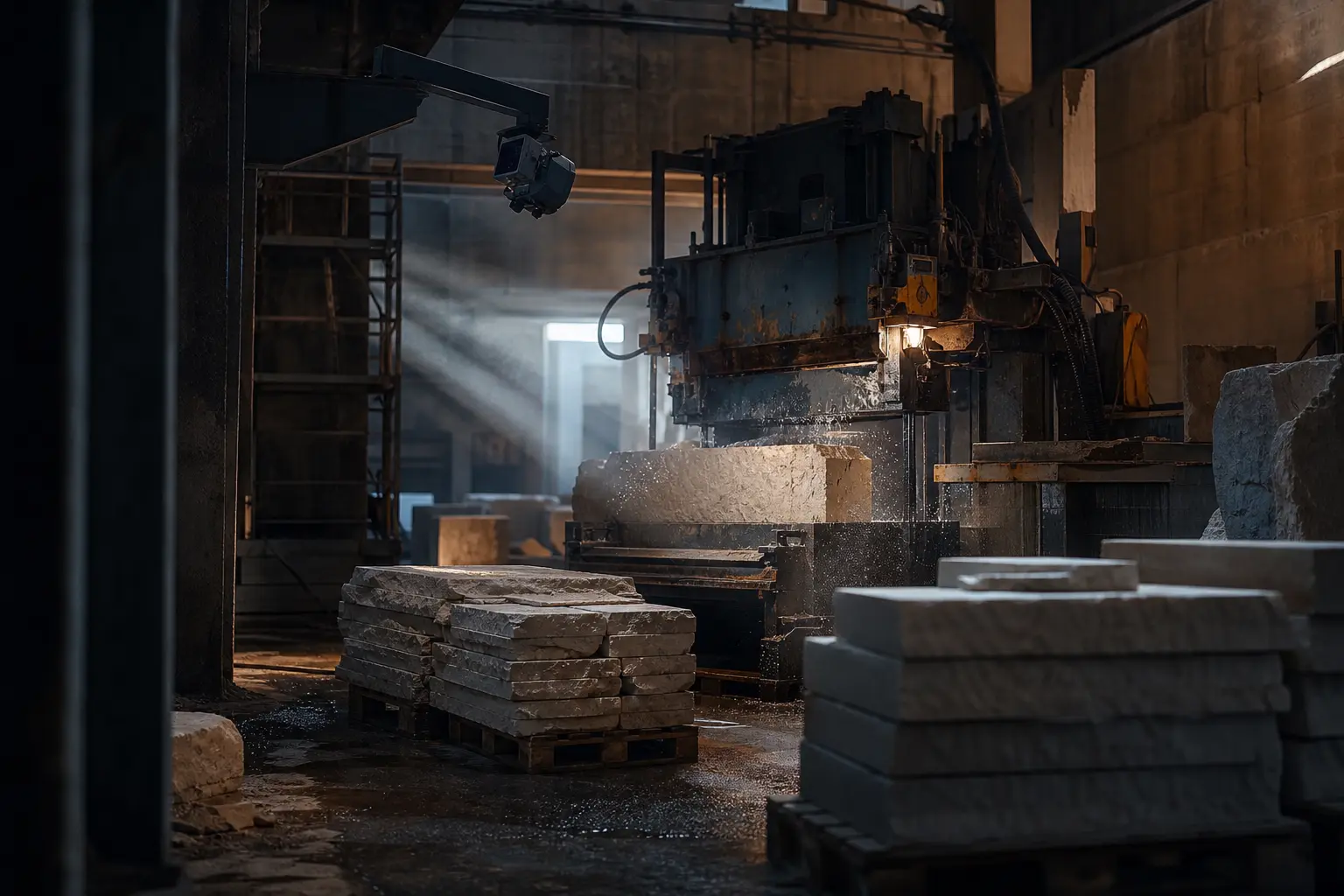
Scale software knows what left the yard. Almost nothing knows what you actually produced, how much was waste, or which operator and machine did it. We close that loop with camera-based counting, log ingestion and reports that write themselves.
Outcomes
What changes in the first month
- Pieces, dimensions and estimated tonnage recorded automatically as material is produced
- Waste percentage, cycle time and output per operator visible per shift instead of guessed at
- A daily production report in management inboxes every morning with no one compiling it
- Inventory that moves with real production and shipping activity instead of a monthly count
The problem
Why this work stays manual
Production is measured in pieces, if at all
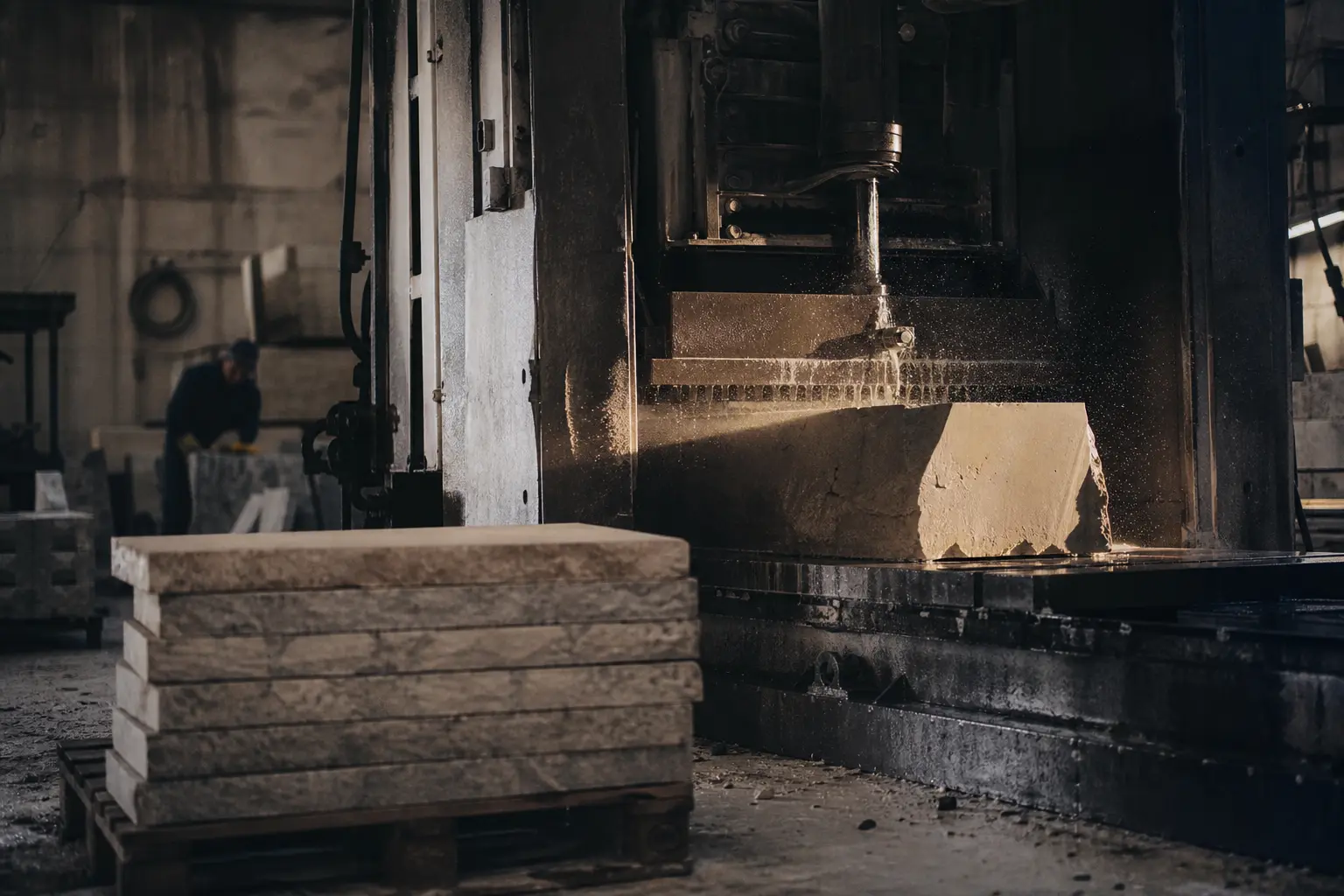
Cutting and processing lines are logged by hand or not logged, so tonnage, waste and cost per ton are estimates built on estimates.
Nobody knows true cost per ton
Without cycle time, waste and machine hours tied to output, pricing decisions and quotes are guesses about your own margin.
Inventory is a spreadsheet from last month
Stockpiles and finished goods drift out of sync with reality, causing stockouts, oversells and rushed production.
Capabilities
What the system does
Configured to your rules, your language and your escalation thresholds — not a generic template.
Vision-based counting and sizing
Cameras over the line detect each piece, measure approximate dimensions, classify by size or grade, and estimate weight using material density.
Automatic production log
Every cut or cycle creates a record: machine, operator, timestamp, dimensions, estimated weight, material, waste — no clipboard required.
Cycle time and bottleneck analysis
Cycle times are tracked continuously, so slowdowns, shift patterns and machine-specific drift become visible instead of anecdotal.
Maintenance signals
Rising cycle time, changing cut force or vibration patterns trigger alerts such as "line 2 is running 18% slower than baseline — inspect within three days."
Inventory reconciliation
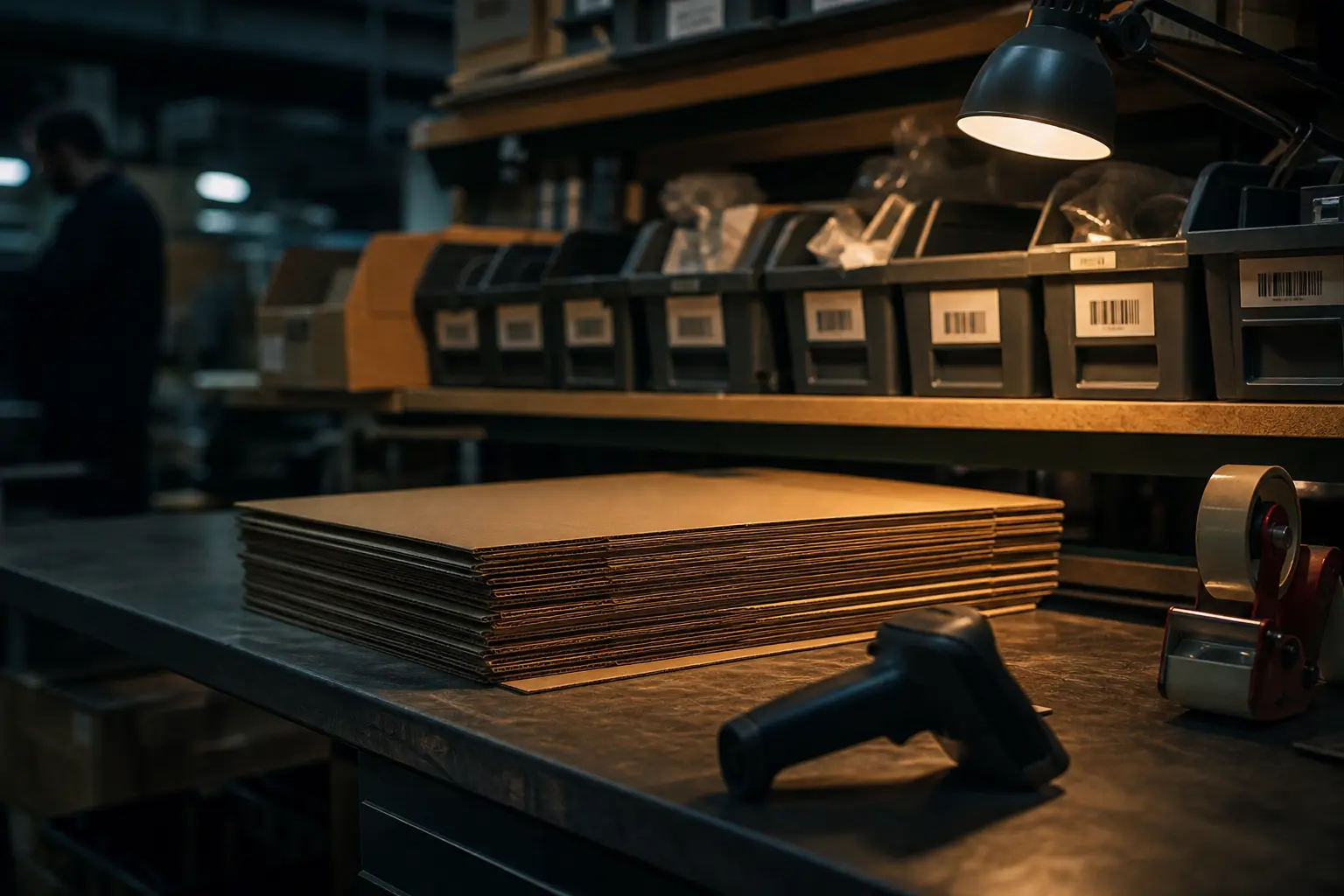
Production in, shipments out, adjustments and periodic surveys are combined into a live stock position with low-stock alerts.
Daily production report
Tons produced and sold, inventory movement, downtime, maintenance notes and trucking summary, compiled from logs, tickets and supervisor notes and sent every morning.
Deployment
How it goes live
- 01
Line assessment
We look at the machines, lighting, layout, existing logs and what you need measured, then agree on the metrics that will actually change decisions.
- 02
Sensor and camera kit
Where vision is needed we specify and supply the camera kit, mounting and on-site compute so processing works even with poor connectivity.
- 03
Baseline and calibration
Estimated weights are calibrated against real scale readings until tonnage estimates land inside your tolerance.
- 04
Reporting and rollout
Dashboards and morning reports go live, then we extend the same pattern to additional lines, machines or sites.
Works with
The software behind it
Built and operated by us, not licensed from someone else
This service runs on software we wrote and keep running. You can see it, and in one case buy it on its own.
In practice
Where this has been deployed
Questions we get asked
Do we need reliable internet at the line?
No. Processing can run on an on-site edge device and sync when a connection is available, which is why the system works in pits and yards where cloud-only tools fail.
How accurate is estimated tonnage?
Accuracy depends on material and setup, and we calibrate against your scale during commissioning until the estimate is inside an agreed tolerance. Where a scale exists, the system fills the gaps between weighings.
Can this work alongside our existing scale software?
Yes — that is the normal case. Scale software handles what ships; we handle what is produced, and the two are reconciled.
Ready to scope production intelligence?
Bring one workflow that eats your week — calls you miss, documents you retype, reports you rebuild. We will map it, tell you what it costs to automate, and what we would do first.