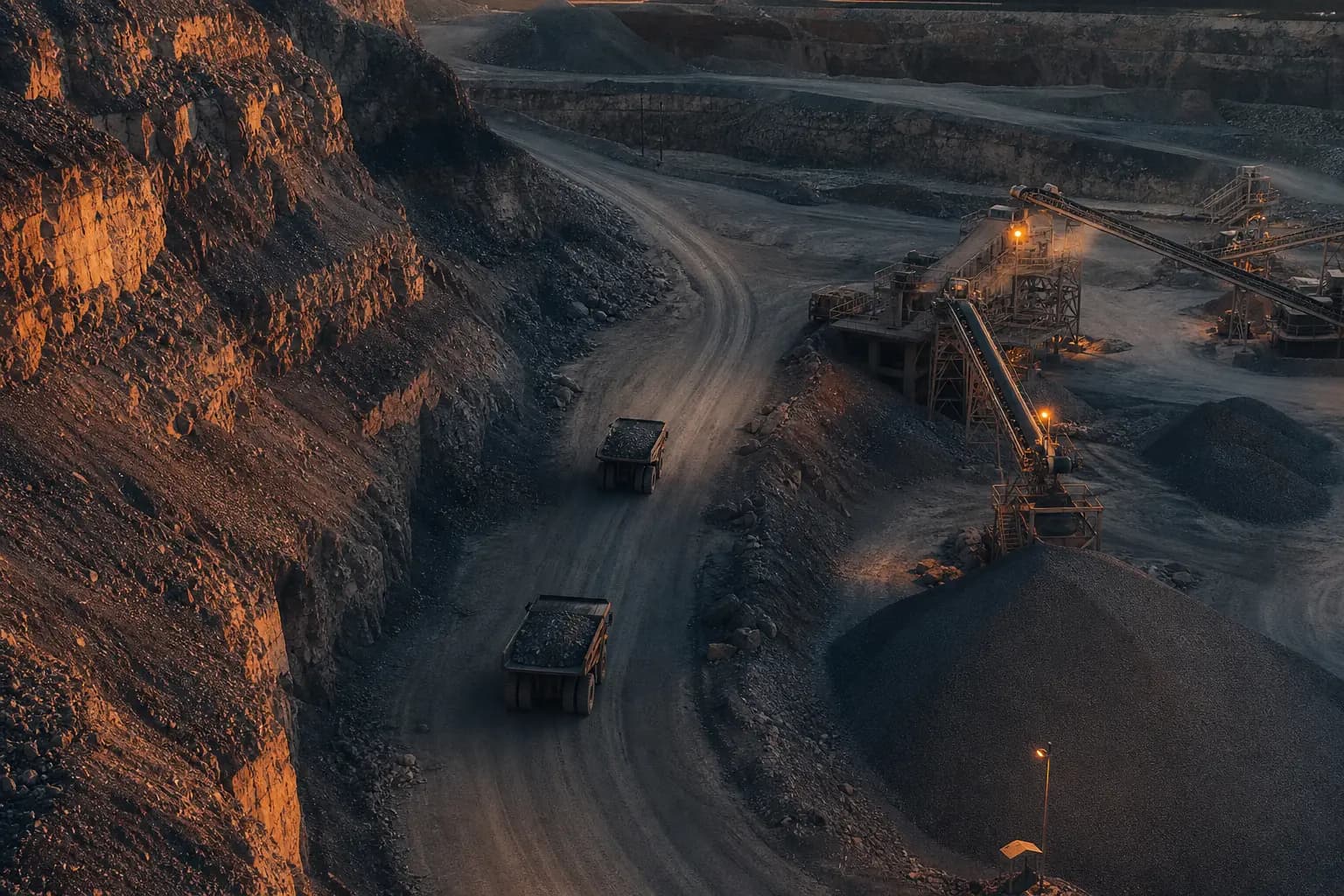
Quarries, Aggregates & Stone
Automation for quarries, pits and stone yards that still run on tickets and Excel
Scale house software prices the load. Everything before and after it — fiscal notes, email orders, reconciliation, production logs, cutting output, inventory, billing packets — is still done by hand. That gap is where we work, and it is the most underserved back office in heavy materials.
Where the time goes
The problems we hear every time
Fiscal notes and tickets typed twice
Weights, products and prices arrive as PDFs, photos and paper, then get retyped into spreadsheets that drive billing — with the errors that implies.
Missing and duplicate tickets
Loads that never reach the invoice batch are revenue given away; duplicates and wrong weights become customer disputes and credits.
No real production number
Cutting lines, crushers and guillotines are logged on clipboards or not at all, so tonnage, waste and cost per ton are estimates.
Dispatch runs on phone calls
Orders arrive by email and phone, get written on a whiteboard, and drivers are coordinated by text with no record afterwards.
Inventory is a monthly guess
Stockpiles drift between surveys, so production planning and promises to customers rely on somebody's feel for the yard.
Slow billing, slow cash
Reconciling and batching tickets by hand pushes invoicing days or weeks behind the work that earned it.
- 10+ yrs
- Automation gap between aggregates and comparable industries
- Every load
- Reconciled against orders and notes, not sampled at month end
- Same day
- Billing packets ready instead of waiting for manual batching
The playbook
What we automate here
Bought one module at a time, in the order that pays back fastest for this kind of operation.
Fiscal note & weigh ticket automation
Read every ticket, note and supplier invoice from email, PDF or a driver's photo; extract customer, product, gross and net weight, tonnage, truck, job site, price and tax; validate and push to sheets and accounting.
Ticket reconciliation & billing packets
Match tickets to orders and notes, flag duplicates, sequence gaps and weight mismatches, then group matched tickets into invoice-ready batches with backup attached.
Email order intake
Turn "5 loads of screenings Monday to the Elm St site" into a structured order, notify dispatch, and draft the confirmation reply.
Stone cutter & guillotine tonnage tracking
Camera-based piece counting and dimension measurement, tonnage estimated from material density, waste percentage, cycle time and output per operator — the gap no scale software covers.
Daily production report
Tons produced and sold, inventory movement, downtime, maintenance notes and trucking summary compiled automatically and in management inboxes each morning.
Dispatch, inventory & customer portal
Truck-cycle-aware scheduling suggestions, live stock positions from ticket and production flow, plus a portal where customers pull their own tickets, invoices and order status.
Your existing stack
Nothing gets ripped out
We read what your systems produce and write back into them. The tools stay; the manual work between them does not.
Solutions
The systems behind this playbook
AI phone reception
AI phone reception for small and mid-size businesses: 24/7 answering, appointment booking, call summaries, smart routing and automatic follow-up on every missed call.
From $59 / monthDocument automation
AI document automation that reads fiscal notes, scale tickets, invoices and statements from email, PDF or a phone photo, validates them, and pushes structured data into your sheets and accounting system.
From $3,000 setup + $250 / monthEmail & order intake
AI email intelligence that reads incoming mail, extracts orders and quote requests, categorises everything, drafts accurate replies and notifies dispatch or sales automatically.
From $2,500 setup + $200 / monthProduction intelligence
Automated production tracking, tonnage estimation from vision, daily production reports and inventory logic for yards, quarries, cutting lines and plants.
From $7,500 setup + $500 / monthDetail
How it plays out
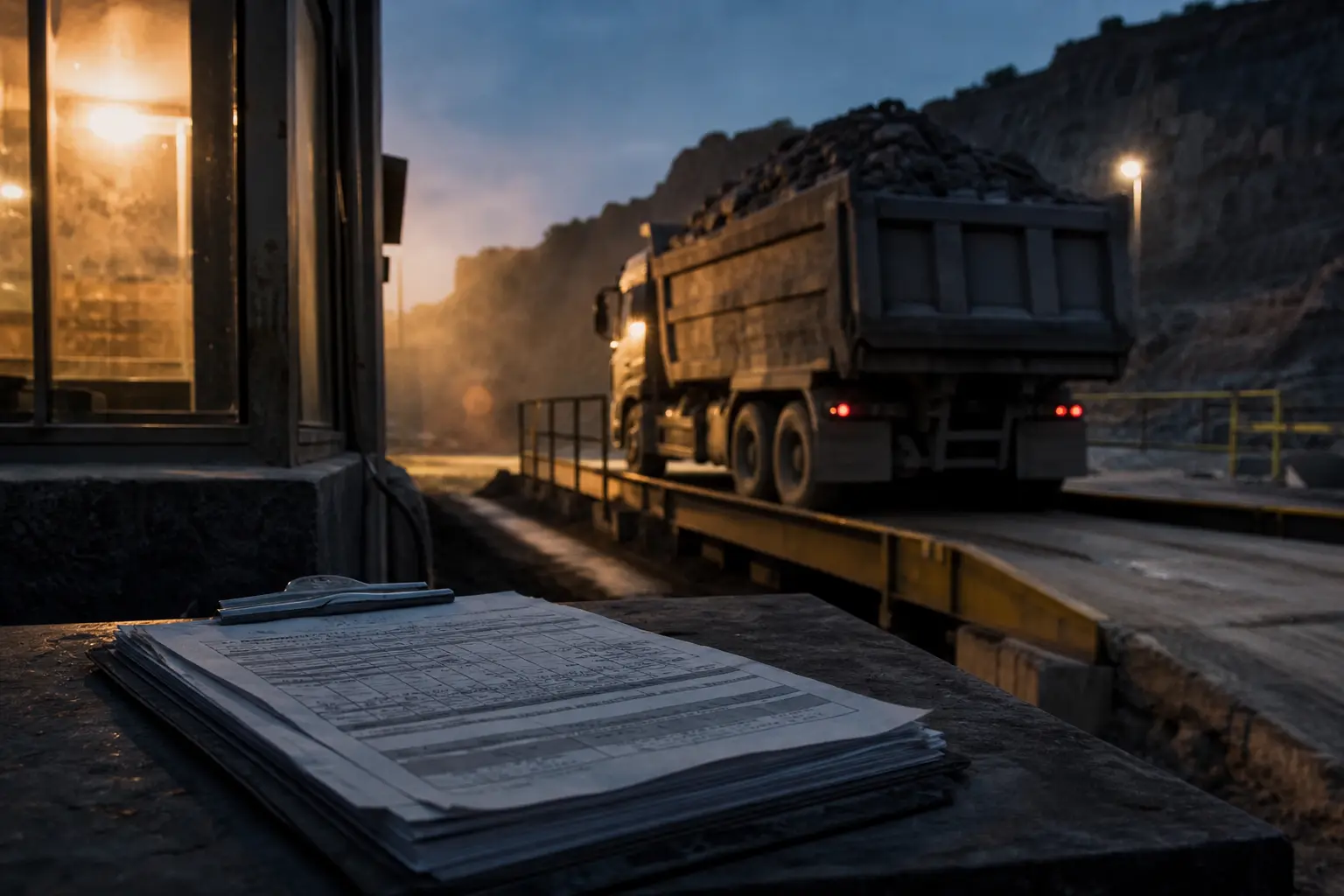
From fiscal notes and Excel to same-day billing packets
How a quarry running on fiscal notes, email and spreadsheets gets to automated ticket capture, daily reconciliation and invoice-ready batches without touching its scale house software.
Read the detail
Measuring what the cutting line actually produced
Camera-based piece counting, dimension measurement and tonnage estimation for stone guillotines and cutting lines — the production number no scale ticketing system produces.
Read the detailQuestions we get asked
Do we have to replace Apex, Fast-Weigh or SMSTurbo?
No. Those systems stay. We read what they produce, automate the manual work around them — notes, emails, reconciliation, production, reporting — and push clean data back into them and into accounting.
Can you really track tonnage off a guillotine or cutting line?
Yes. Cameras detect and measure each produced piece, and weight is estimated from dimensions and material density, calibrated against your scale during commissioning. You get pieces, tonnage, waste percentage, cycle time and output per operator per shift.
Our pit has poor connectivity. Does that matter?
No. Production processing runs on an on-site edge device and syncs when a connection is available.
Can we start with one module?
That is how most quarries start — usually fiscal note automation, because it removes hours of daily entry and pays for itself quickly. Modules are added one at a time from there.
Talk to someone who knows quarries & aggregates
Bring one workflow that eats your week — calls you miss, documents you retype, reports you rebuild. We will map it, tell you what it costs to automate, and what we would do first.